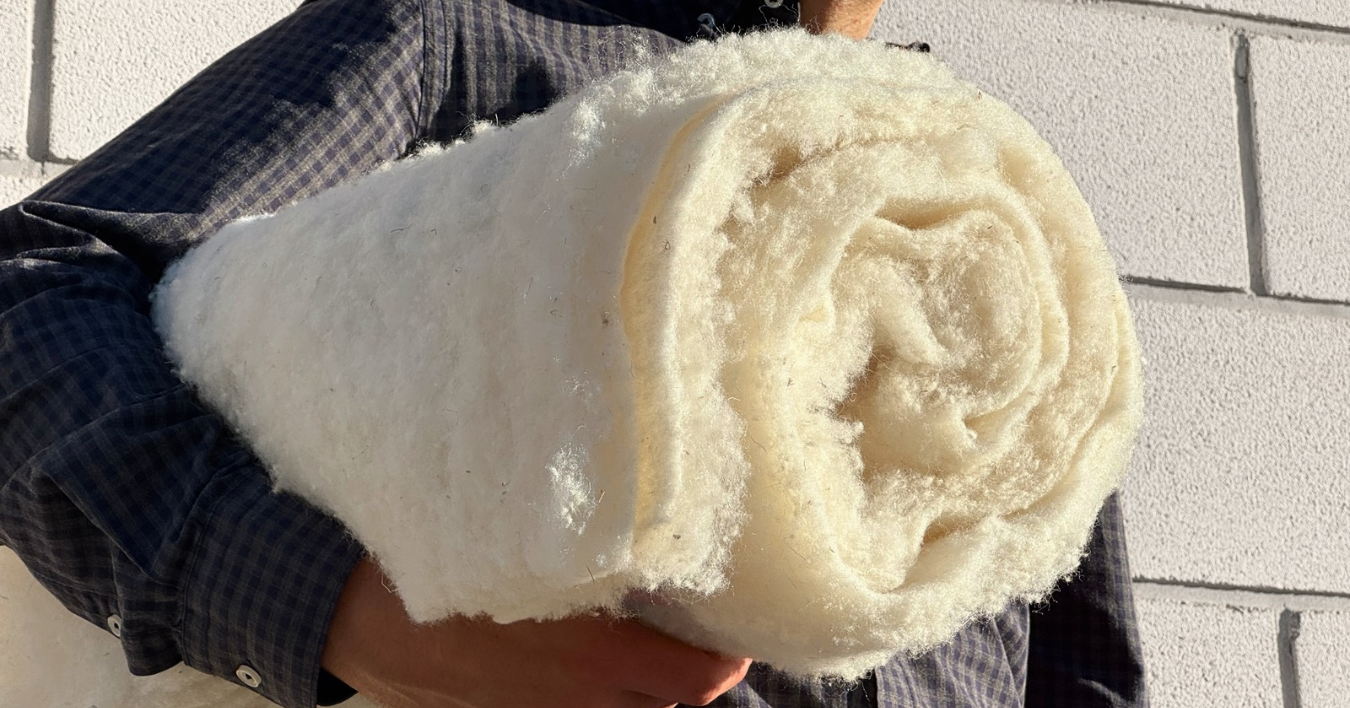
Wadding for manufacturers: finding the right supplier for upholstery, furniture and mattresses
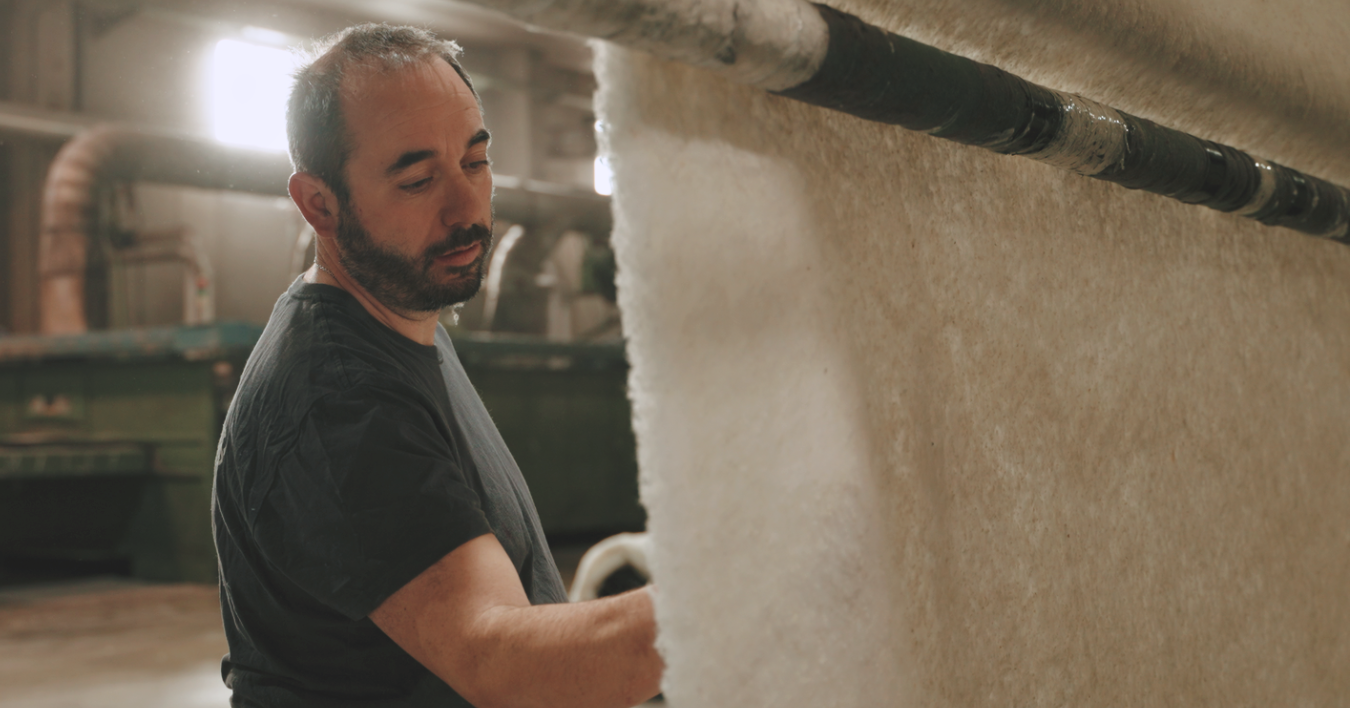
Are you looking for a wadding manufacturer or supplier for your furniture, sofa, mattress, upholstery or textile manufacturing business?
Wadding is a fibrous textile material used in a wide range of industrial applications. It is incorporated into products to provide padding, volume, body and specific comfort or insulation properties, depending on its composition and structure.
For manufacturers, choosing the right wadding is an important part of product development. Fibre composition, weight, thickness and material construction can all influence the performance and appearance of the finished product.
At Textigor, working in strategic collaboration with Herartex, we bring together textile manufacturing experience and material development expertise, including natural wool and cotton wadding, for professional applications.
We work with manufacturers looking for more than a standard distributor: a textile partner who understands industrial requirements, provides direct communication and can assess the needs of each project.
What is wadding and what is it used for?
Wadding is a fibrous textile material, generally supplied in sheet or web form, used as a filling, padding or insulation layer in different products.
It is placed between other materials or within a product structure to add volume, softness, body or protection, depending on the type of wadding and its intended application.
In manufacturing, wadding is commonly used for:
- Padding upholstered furniture.
- Adding internal layers to sofas and armchairs.
- Providing comfort layers in mattresses.
- Manufacturing padded headboards and components.
- Producing home textile products.
- Developing selected technical components and insulation solutions.
Not all wadding is the same. Fibre composition, weight, thickness and structure determine which material is suitable for each application.
That is why manufacturers looking for wadding need a supplier who understands how the material will be used in the finished product.
Wadding manufacturer and supplier for industrial production
If your products incorporate wadding, you probably need a reliable supply and consistent material specifications from one order to the next.
Working directly with a wadding manufacturer can make it easier to discuss material development, technical requirements and purchasing plans.
When choosing a supplier, manufacturers should consider:
- Fibre composition and origin.
- Weight in g/m².
- Material thickness.
- Usable width.
- Supply format and presentation.
- Batch-to-batch consistency.
- Behaviour during cutting, handling and manufacturing.
- Suitability for the intended application.
- Supply capacity and continuity.
For a furniture or mattress manufacturer, finding a material that simply looks right is not enough. The wadding must work properly within the product construction and throughout the manufacturing process.
Upholstery wadding for sofas and furniture
The furniture industry is one of the important sectors using wadding.
Manufacturers of sofas, armchairs, chairs, headboards and other upholstered furniture use different layers of materials to achieve the required volume, finish and comfort.
Wadding can be incorporated into these structures as a padding layer or as a covering and filling component between different materials.
Wadding for sofas and armchairs
In sofa and armchair manufacturing, wadding can be used in different areas of the upholstered structure, depending on the design and manufacturing system.
Possible applications include:
- Covering foam components.
- Padding layers for seats and backrests.
- Internal components of arms and backrests.
- Padding for upholstered surfaces.
- Textile layers that contribute to the volume and feel of the finished assembly.
For these products, material selection should take into account thickness, weight, recovery and compatibility with the other components.
Wadding for upholstered furniture
Wadding can also be used in the production of:
- Upholstered chairs.
- Armchairs.
- Bed headboards.
- Upholstered benches.
- Seating components.
- Office furniture.
- Furniture with padded elements.
Each manufacturer may require a different material construction. Defining the technical requirements is therefore essential when choosing an upholstery wadding supplier.
Mattress wadding and bedding applications
Mattress manufacturing is another important application for wadding.
Mattress manufacturers use different textile layers and padding materials to develop the characteristics of their products.
Depending on the construction, wadding can be incorporated as an internal layer, a padding component or a complementary material alongside other mattress components.
Potential applications include:
- Spring mattresses.
- Latex mattresses.
- Hybrid mattresses.
- Natural mattresses.
- Mattress toppers.
- Headboards and bedding components.
- Other mattress manufacturing applications.
The composition and specifications of the wadding should be selected according to the mattress construction, the desired comfort and the manufacturer’s technical requirements.
For mattress manufacturers working with natural materials, wool wadding can be a particularly interesting option.
Wool wadding: a natural material for professional applications
Wool wadding is a textile material made from wool fibres and used in different padding, filling and insulation applications.
Wool has characteristics that distinguish it from other fibres. Its structure can contribute to moisture management and thermal insulation, although the actual performance depends on the composition and construction of the material.
For this reason, wool wadding may be suitable for manufacturers developing products with natural materials or looking for alternatives to certain synthetic solutions.
Potential applications include:
- Wool and natural mattresses.
- Premium mattress constructions.
- Upholstered furniture.
- Sofas and armchairs.
- Bedding products.
- Textile padding.
- Thermal and acoustic insulation applications, where the material specifications are suitable.
Why choose wool wadding?
Manufacturers may choose wool wadding because they are looking for:
- A natural-origin raw material.
- An alternative to certain synthetic fibres.
- Materials for natural bedding products.
- A distinctive fibre composition for their collections.
- Textile solutions adapted to a specific product.
Material selection should take into account fibre composition, weight, thickness and the requirements of the finished product.
At Textigor and Herartex, we have experience in developing natural textile materials, including wool wadding, for companies that incorporate these materials into their own manufacturing processes.
Wool wadding or cotton wadding: which material should you choose?
The choice between wool wadding and cotton wadding depends on the requirements of the finished product.
Both are natural-origin options, but they have different characteristics and may be suitable for different applications.
Wool wadding
May be particularly interesting for bedding, natural mattresses, upholstery and applications where the characteristic properties of wool are desired.
Cotton wadding
May be suitable for selected textile constructions, padding and products where cotton fibres are preferred.
There is no universally better option. The decision should be based on product specifications, manufacturing conditions and the required result.
Wadding for other industries and manufacturing applications
Beyond furniture and mattress production, wadding is used in other industries that require padding and fibrous textile materials.
These include:
Home textiles: padded components, bedding products and other household textile applications.
Apparel: internal layers in garments and textile products that require volume or padding.
Orthopaedics: selected padded textile components, subject to the technical requirements of the finished product.
Insulation: thermal or acoustic applications using fibrous materials with suitable and verified specifications.
Technical products: internal components, panels and products requiring a textile filling or support layer.
The suitability of each material depends on its properties and the requirements of the application.
How to choose a reliable wadding supplier
When looking for a wadding supplier, price per kilogram or metre should not be the only consideration.
Choosing the right material and supplier can help prevent production problems, differences between orders and materials that do not perform as expected.
Before selecting a manufacturer, consider the following:
- Textile experience: the supplier should understand the industrial applications of wadding.
- Fibre composition: the fibres used should be clearly identified.
- Weight and thickness: specifications should match the product requirements.
- Consistency: successive orders should maintain the required material characteristics.
- Technical guidance: the supplier should understand the application before recommending a material.
- Supply continuity: the supplier should be able to assess the customer’s consumption and purchasing plans.
- Manufacturing origin: there should be transparency about where and how the material is produced.
A good wadding supplier should do more than offer a standard product. They should understand what the customer manufactures and what the wadding needs to achieve.
Textigor and Herartex: textile manufacturing experience and strategic collaboration
Textigor has more than 40 years of experience in the textile industry, developing solutions for manufacturers across different sectors.
Our strategic collaboration with Herartex brings together this experience with the expertise and infrastructure of a Spanish textile manufacturer specialising in weaving and textile development.
Herartex works with different fibres and textile structures and offers a range that includes natural materials such as wool and cotton wadding.
This collaboration allows us to offer manufacturers direct communication and a broader understanding of the textile solutions required for their products.
Our approach is based on:
- Industrial experience and material knowledge.
- Textile manufacturing and development in Spain.
- Direct contact with the supplier’s team.
- Assessment of each customer’s specific requirements.
- Long-term collaboration with European manufacturers.
- Textile solutions for different applications.
We aim to be more than a wadding distributor. Our goal is to become a manufacturing partner for companies that need reliable textile materials for their products.
Looking for a European wadding manufacturer or supplier?
If you manufacture sofas, furniture, mattresses, upholstered products, bedding or textile components, we would be pleased to assess your supply requirements.
Whether you are looking for wool wadding or need to explore a natural wadding solution for an industrial application, our team can review your project in collaboration with Herartex.
To help us assess your requirements, please share:
- The product you manufacture.
- The application for which you need wadding.
- Your preferred composition: wool, cotton or another option you would like to explore.
- Required weight and thickness, if known.
- Required width and supply format.
- Your approximate consumption volume.
- A sample or technical reference, if available.
Contact Textigor to discuss the type of wadding your production requires. We will work with you to assess the most suitable solution.
We work with manufacturers looking for a European textile supplier and a direct, long-term supply relationship.
Frequently asked questions about wadding
What is wadding?
Wadding is a fibrous textile material used mainly as a filling, padding or insulation layer within different products. It can be made from different fibres and supplied in various weights and thicknesses.
What is wadding used for?
Wadding is used in upholstered furniture, sofas, armchairs, mattresses, bedding, apparel, home textiles and selected technical applications.
What is the difference between wadding and foam?
Wadding is a fibrous material, usually supplied as a sheet or web. Foam is a cellular material with a different structure. They can be used together in certain products because they perform complementary functions.
What type of wadding is used for sofas?
It depends on the sofa construction and the function required. Wadding may be used as a padding layer or to cover foam and other internal components. Weight and thickness should be selected according to the design and manufacturing process.
What type of wadding is used in mattresses?
The choice depends on the mattress construction and its required characteristics. Different fibrous materials, including wool or cotton wadding, can be considered for selected internal layers and padding components.
Where can manufacturers buy wadding in bulk?
For professional production, it is advisable to contact a specialised manufacturer or supplier who can assess fibre composition, weight, format and required volume.
Is wool wadding suitable for industrial applications?
Yes. Wool wadding can be used in different professional applications, including mattress manufacturing, upholstery and selected technical products. Its suitability depends on the material specifications and the finished product requirements.
How can I request a wadding sample or quotation?
Contact Textigor with details of the application, preferred composition, weight, thickness, width and approximate volume. You can also send a sample or technical specification for assessment.