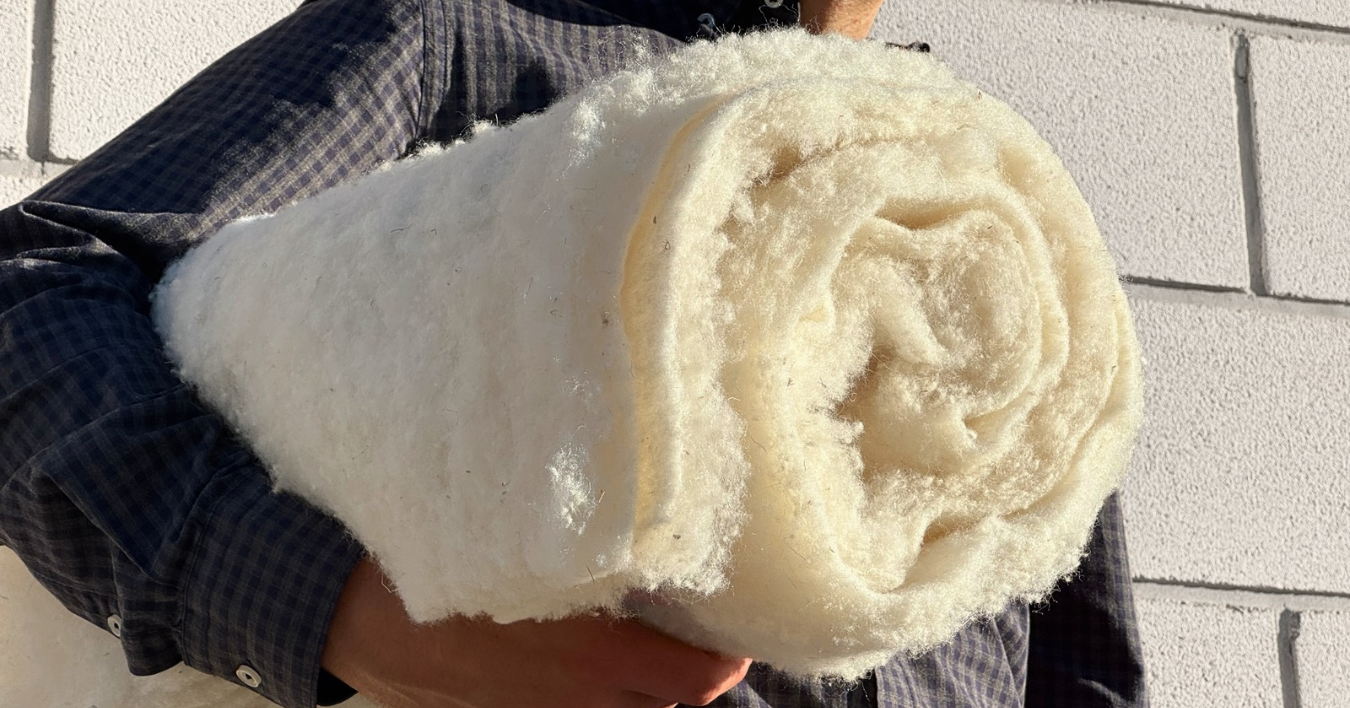
Foam Laminated Fabrics and Textile Lamination: A European Fabric and Foam Supplier for Industrial Applications
Looking for a manufacturer that can supply fabric and foam bonded together as one material?
When a product requires more than a conventional textile, foam lamination can provide the solution. By bonding a fabric to a layer of foam, manufacturers obtain a composite material that combines the characteristics of both components and can be incorporated into different industrial production processes.
At Textigor, we are a Spanish textile manufacturer specialising in fabrics and foam-laminated textile solutions for companies looking for materials ready for further manufacturing.
If you are searching for a foam and textile supplier, a foam laminated fabric manufacturer or a partner for fabric-to-foam bonding, we can assess the technical requirements of your project.
What is textile lamination with foam?
Textile lamination is the process of bonding two or more materials together to create a composite structure.
In foam lamination, a textile fabric is bonded to a layer of foam. The resulting material is commonly known as foam laminated fabric, foam-backed fabric or foam-bonded textile.
Depending on the materials and the intended application, this construction can provide:
- Additional body and thickness.
- A softer, cushioned feel.
- Greater structure and consistency.
- A different surface feel compared with the original fabric.
- A supportive layer for subsequent cutting, sewing or manufacturing processes.
- A combination of the properties of the textile and the foam.
The final construction depends on the fabric, foam type, thickness, density and bonding requirements.
There is no single lamination solution suitable for every product. Each project needs to be assessed according to its end use and technical specifications.
Foam laminated fabric manufacturer: fabric and foam combined in one material
For many industrial manufacturers, sourcing fabric and foam separately means managing two different components and carrying out an additional bonding operation later in the production process.
Working with a supplier that can provide the laminated material may simplify this stage of manufacturing.
At Textigor, we develop foam-laminated fabrics by combining different textile substrates with foam, according to customer requirements and the technical possibilities of each construction.
Our aim is to supply a composite material that can move directly into the next manufacturing stage, helping customers reduce internal processing steps and simplify component sourcing.
We can assess projects requiring different fabric and foam combinations, as well as additional layers or materials when the application calls for them.
Technical textile lamination for industrial applications
Technical textile lamination involves bonding engineered fabrics with foam or other materials to create structures designed for specific functions.
It is not simply a matter of adding thickness to a fabric. The choice of materials and bonding process can influence the performance of the finished composite.
Key factors to define include:
- Fabric type and composition.
- Foam or sponge type.
- Foam thickness and density.
- Working width.
- Required flexibility and hand feel.
- Bond strength.
- Behaviour during cutting, sewing or forming.
- Specific requirements of the final application.
For technical applications, these parameters should be assessed from the beginning to ensure that the proposed construction meets the manufacturer’s requirements.
Applications of foam laminated fabrics
Foam-laminated textiles can be used across several industrial sectors. The suitability of each application depends on the material construction and the technical performance required.
1. Automotive interiors
Fabric and foam lamination is used in different automotive interior components, where the material can contribute to cushioning, surface feel and the structure of certain interior surfaces.
Potential applications to assess include:
- Textile components for vehicle seats.
- Interior coverings and trim panels.
- Upholstery and finishing components.
- Headrest and armrest materials.
- Other textile components requiring a multi-layer construction.
Automotive projects require particular attention to the customer’s specifications, including durability, flammability, emissions, resistance, compatibility with forming processes and any required testing or approvals.
2. Furniture and upholstery
In the furniture industry, foam-backed fabrics can provide additional volume, cushioning and a textile surface suitable for specific upholstery applications.
Potential applications include:
- Seat and backrest materials.
- Office chairs.
- Contract furniture.
- Upholstered panels.
- Cushioned components.
- Textile interior components.
3. Footwear and textile components
Bonding fabric to foam can also be relevant to footwear manufacturers looking for materials with additional body, cushioning or a specific structure.
Depending on the project specifications, applications may include:
- Inner linings and footwear components.
- Padded tongues and sections.
- Textile footwear components.
- Trainers and slippers.
- Comfort and protective products.
4. Orthopaedic and technical products
Manufacturers of orthopaedic and support products may require textile-and-foam composites for selected contact areas, cushioning or covering components.
The foam, fabric and finish must be selected according to the intended function of the product.
5. Other industrial applications
Textile lamination can also be considered for accessories, protective components, coverings, padded products and other industrial applications requiring a textile surface combined with a foam layer.
How to choose a foam lamination supplier in Europe
If you are looking for a foam lamination supplier or a laminated textile manufacturer in Europe, it is worth assessing more than the price per metre.
Here are some important questions to ask:
Can the supplier deliver fabric and foam already bonded together?
The material should be supplied in a form suitable for the next stage of your manufacturing process.
Can the construction be adapted to the product?
Composition, thickness, density and hand feel can all affect the final result.
Can the supplier work with different fabrics and foam types?
Development flexibility is important when a project requires a specific material construction.
Can samples be provided for testing?
Before starting production, it is advisable to assess the material in the customer’s actual manufacturing processes.
Where are the materials manufactured?
Working with a European manufacturer can make technical communication, project follow-up and supply planning easier.
Foam and textile supplier: Textigor, manufacturing in Spain
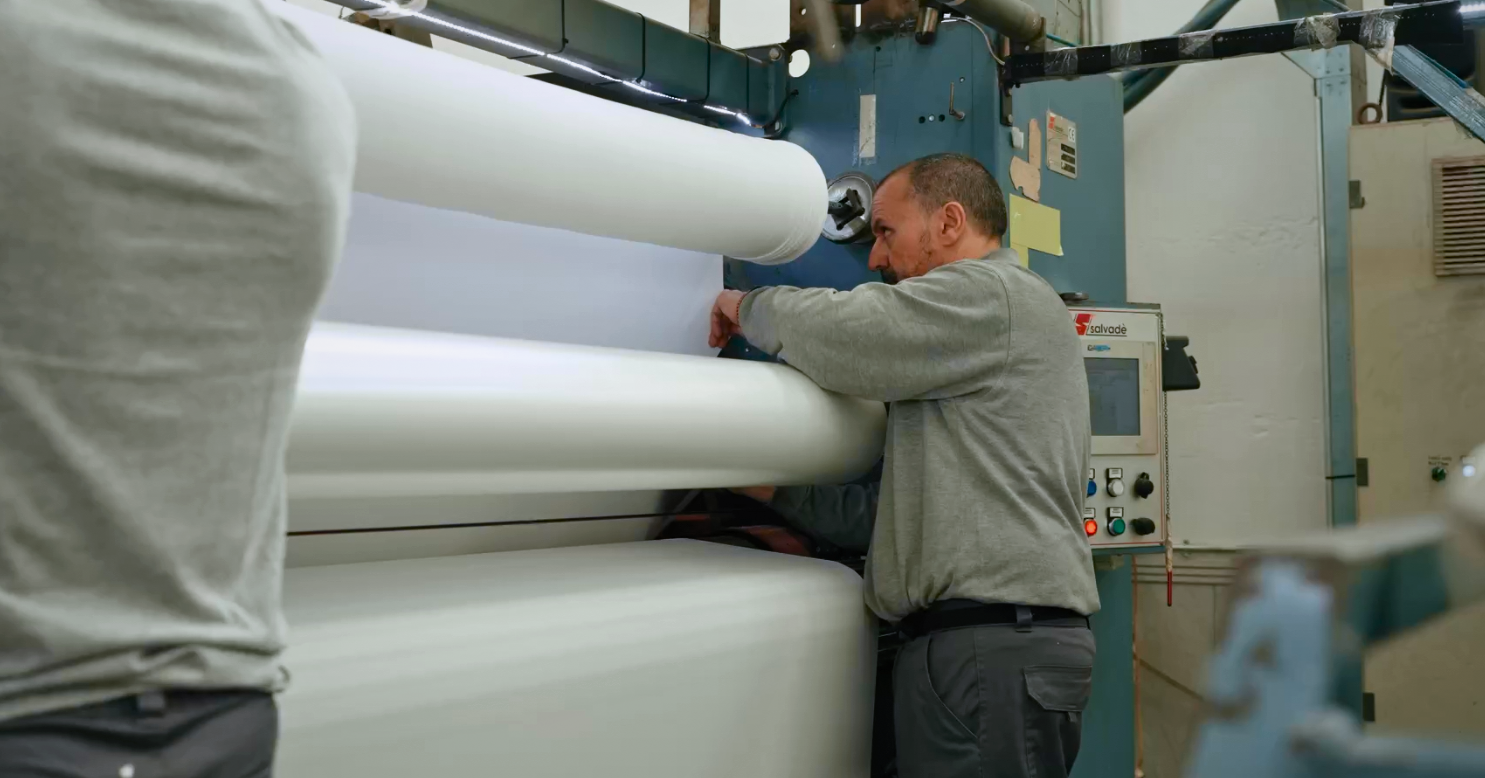
At Textigor, we manufacture textiles in Spain and have experience in the development of foam-laminated fabrics and textile bonding solutions.
We combine fabric, foam and bonding processes to develop materials for manufacturers across different industries.
Our capabilities are relevant to companies looking for more than a conventional fabric: a composite material with specific requirements for thickness, feel, body and construction.
We work directly with industrial customers who need a textile manufacturing partner and want to assess the feasibility of a specific material solution.
Looking for a foam and textile supplier for your production?
If your company needs a foam-laminated fabric manufacturer, a textile lamination supplier or an industrial partner to develop fabric-and-foam composites, contact Textigor.
To help us assess your project, please provide:
- Your industry and end application.
- The type of fabric required.
- The foam type, if already specified.
- Required thickness and material properties.
- Working width.
- A sample or reference image, if available.
- Your approximate consumption volume.
Our team can review the requested construction and assess the available manufacturing options.
Textigor – Spanish manufacturing of foam-laminated fabrics and textile lamination solutions for industry.