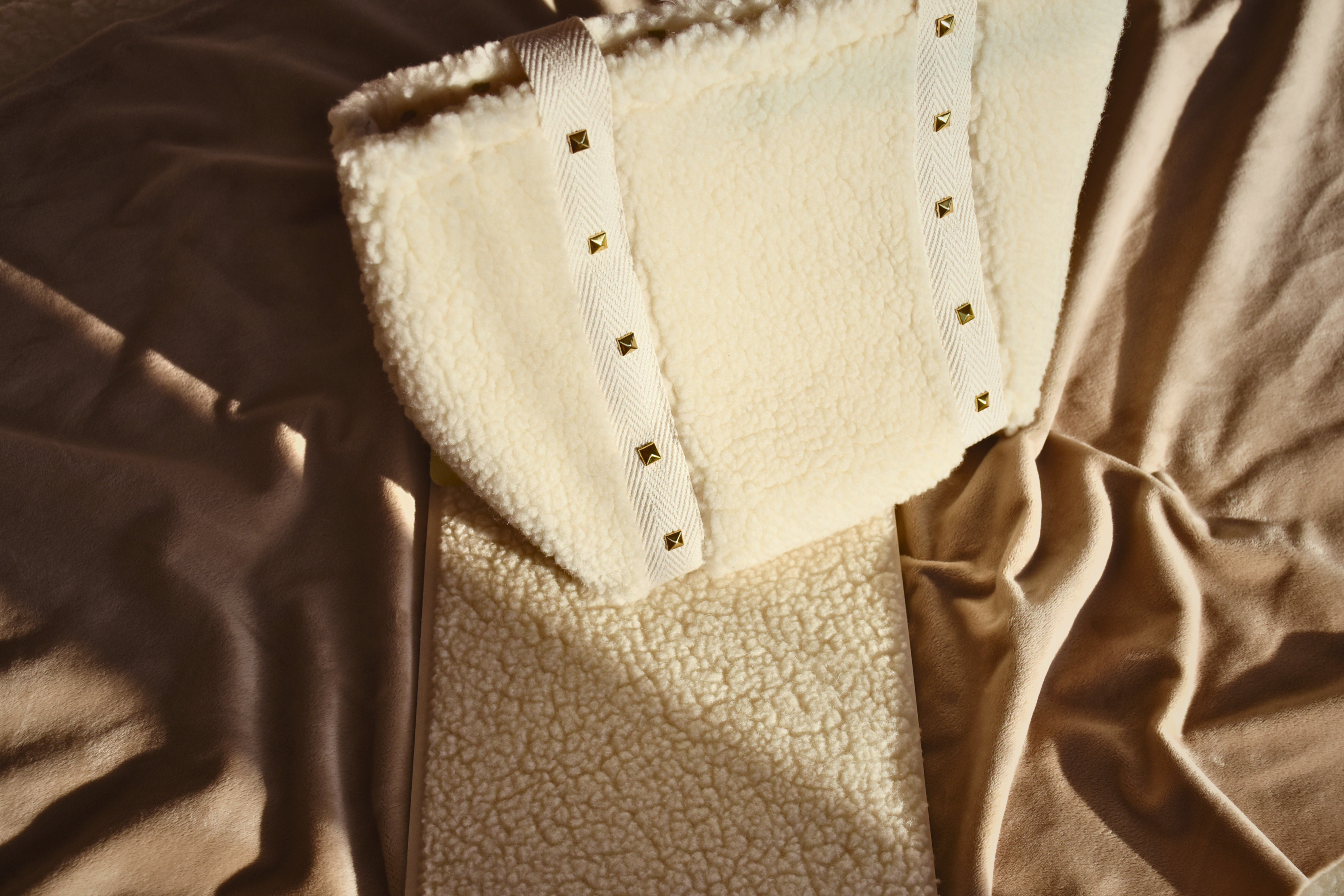
Foam laminated fabric for automotive upholstery: what it is, how it works and why it matters
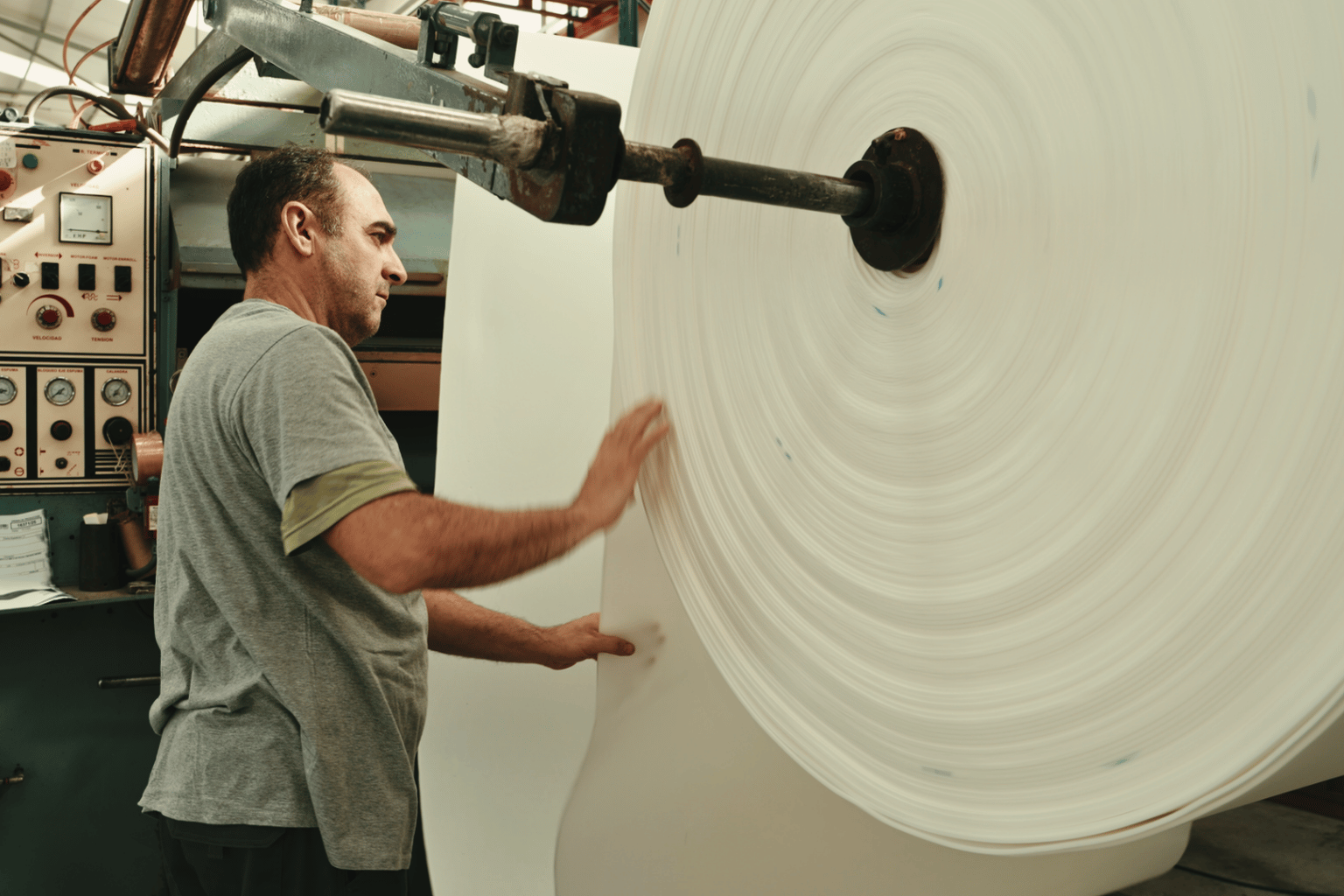
When people think about a vehicle’s interior, they usually notice the design, colour or texture of the seats, door panels or headliner. However, much of the comfort and premium appearance of these components depends on a manufacturing process that often goes unnoticed: foam lamination.
Although foam laminated fabrics are widely used throughout the automotive industry, many manufacturers still have questions about how the process works, why it is important and what should be considered when selecting the right material.
What is foam lamination?
Foam lamination is the process of bonding a textile fabric to a flexible foam layer, creating a composite material that combines the appearance of the fabric with the cushioning, volume and comfort provided by the foam.
The resulting material offers both aesthetic and functional benefits, making it suitable for demanding automotive applications.
Why is foam laminated fabric used in automotive upholstery?
Vehicle manufacturers require materials capable of delivering multiple benefits at the same time:
- Enhanced comfort.
- Premium appearance.
- Smooth and consistent surfaces.
- Easier upholstery and sewing processes.
- Improved durability.
- Better long-term performance.
Foam laminated textiles help achieve this balance and are commonly used in seats, headliners, door panels, armrests, pillars, headrests and other interior components.
Choosing the right foam
There is no single foam suitable for every application.
Different densities, thicknesses and foam formulations are selected depending on the desired comfort, flexibility, dimensional stability and mechanical performance of each automotive component.
Selecting the appropriate foam is just as important as choosing the right fabric.
Why the fabric matters
While much attention is often given to the foam itself, the textile plays an equally important role.
The fabric must provide dimensional stability, perform well during the lamination process and maintain its properties throughout the product’s lifetime.
A properly selected fabric also contributes to easier manufacturing and higher-quality finished components.
What should manufacturers consider?
Not all foam laminated materials perform in the same way.
Before choosing a supplier, manufacturers should evaluate factors such as:
- Lamination consistency.
- Bonding quality between fabric and foam.
- Uniform thickness.
- Cutting and sewing performance.
- Compatibility with production processes.
- Availability of different fabrics and foam options.
- Ability to customise the material for specific applications.
These factors directly affect manufacturing efficiency and final product quality.
Applications beyond automotive
Although automotive upholstery is one of its most common uses, foam laminated fabric is also widely employed in:
- Technical upholstery.
- Furniture manufacturing.
- Marine interiors.
- Railway applications.
- Commercial vehicles.
- Contract interiors.
- Industrial products requiring padded textile surfaces.
What should you expect from a foam lamination supplier?
A reliable supplier should offer far more than materials.
They should understand both textiles and foam technologies, provide consistent manufacturing quality, support product development and adapt solutions to each customer’s technical requirements.
Long-term production consistency and reliable quality are essential for manufacturers operating in demanding industries.
Textigor’s experience in foam laminated textiles
At Textigor, we have decades of experience developing textile solutions for industrial applications, including foam laminated fabrics for upholstery.
We supply suitable fabrics for lamination and manufacture customised foam laminated materials tailored to our customers’ technical requirements.
Whether you are developing a new automotive interior component or looking for a reliable foam lamination partner, our team can help you identify the most appropriate textile solution for your project.