Winter Fabrics for Footwear, Fashion and Upholstery: What to Look for in a Reliable European Manufacturer
Winter fabrics are not just about warmth. For manufacturers, the right fabric also has to bring the right look, feel, weight, structure and performance to the final product.
That is why choosing a winter fabric supplier is not simply a matter of finding a colour or a trend you like. The manufacturer behind the fabric can make a real difference, especially when you need consistency, custom development and reliable supply at production volumes.
At Textigor, we have spent decades developing and manufacturing winter fabrics in Spain for customers across Europe. Our range includes everything from animal-print jacquards and faux fur to virgin wool, natural-fibre sherpa, microfibres, felt, velvet and timeless winter checks.
What are the most popular winter fabrics?
There is no single fabric that works for every winter collection. Different products require different textures, weights and constructions.
Here are some of the winter fabrics we work with most frequently.
Animal-print jacquard and faux fur
Animal-inspired textures continue to have a strong place in winter collections, particularly in footwear, accessories and fashion applications.
Jacquard fabrics with animal effects allow manufacturers to create distinctive patterns directly into the fabric, rather than relying only on printing. Faux fur, meanwhile, provides volume, softness and a strong visual impact.
The quality of the base fabric, pile and finishing process is particularly important when the material will be cut and assembled at scale.
Natural-fibre sherpa and borreguito
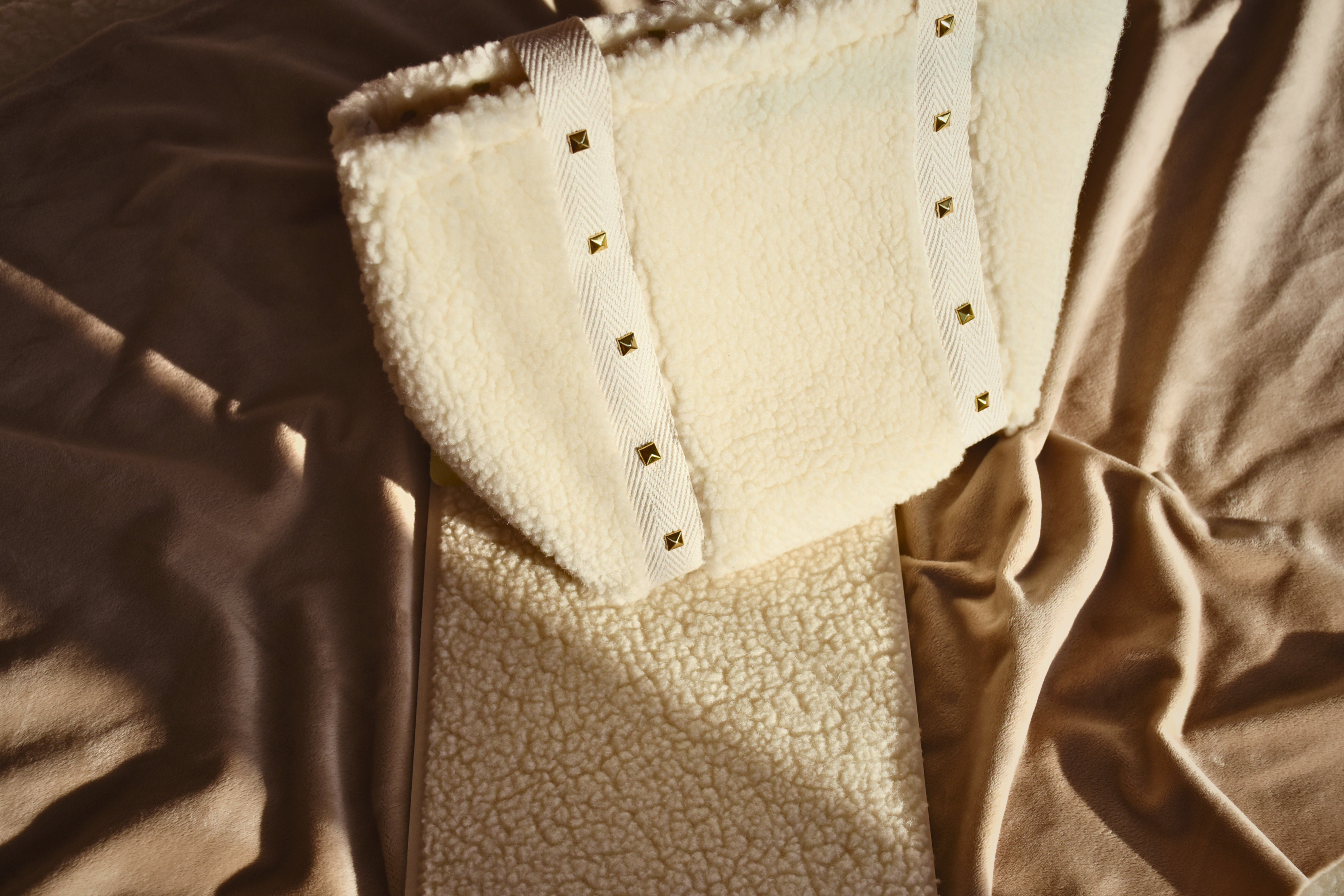
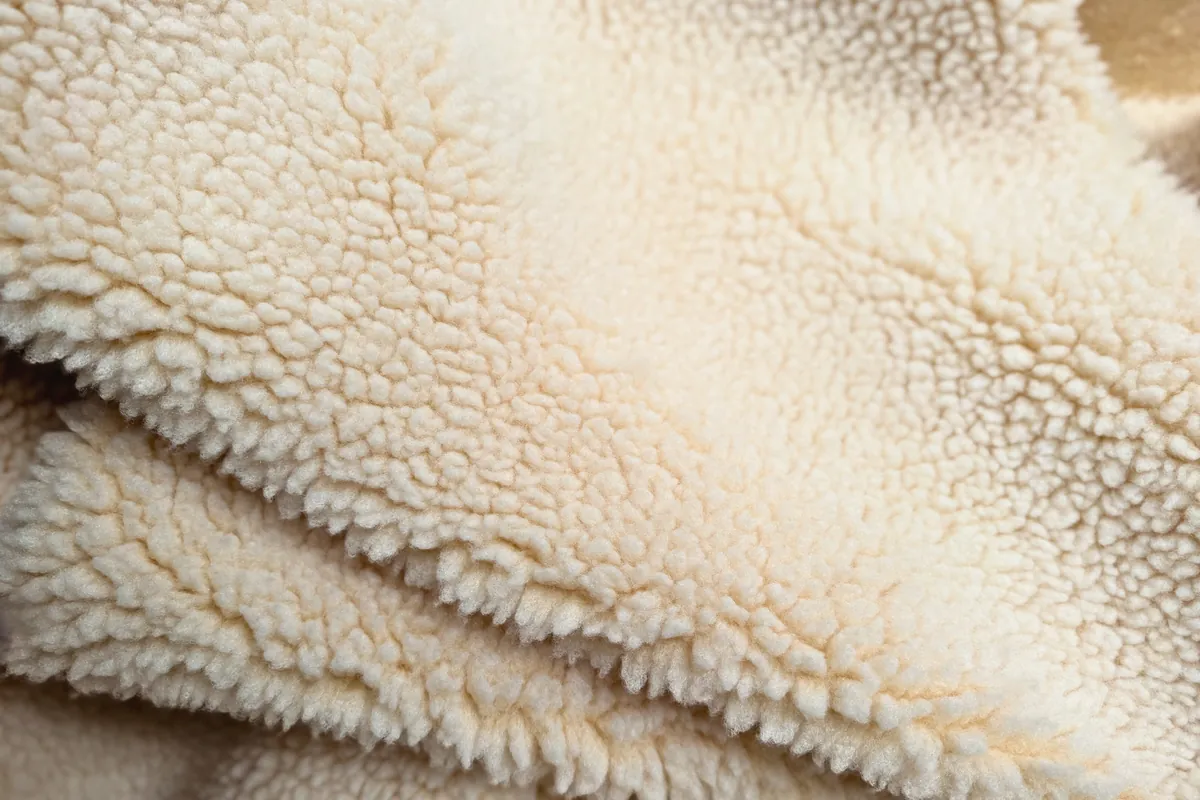
For products that need a warm, soft and natural appearance, sherpa and borreguito made with natural fibres are a popular choice.
They work particularly well for winter footwear, slippers, linings and other products where comfort is part of the experience.
The challenge is finding the right balance between softness, appearance, structure and suitability for manufacturing. A fabric that looks excellent in a sample still needs to behave properly during cutting, sewing, bonding or assembly.
Virgin wool
Virgin wool remains one of the classic winter materials for a reason.
It offers a characteristic natural appearance and warmth and can be developed in different constructions, weights and finishes depending on the application.
For manufacturers, working directly with a textile producer can also make it easier to select the appropriate wool fabric for the intended product instead of adapting the product to whatever stock happens to be available.
Exclusive jacquards
Jacquard is particularly interesting when a collection needs something less conventional.
Geometric patterns, floral motifs, textures and exclusive drawings can give a winter product a much more distinctive identity. This is especially relevant for brands and manufacturers looking for fabrics that do not look like standard catalogue materials.
At Textigor, we develop exclusive jacquard fabrics and designs for customers looking for something different.
Microfibres
Microfibre fabrics can offer a completely different winter aesthetic from traditional wool or pile fabrics.
Depending on their construction and finishing, they can be soft, smooth, lightweight or more structured, making them useful across different types of footwear, accessories and other applications.
The important point is to select the microfibre according to the manufacturing process and the final use, rather than treating all microfibres as the same material.
High-quality felt
Felt is another versatile option for winter products.
Different felt qualities and grammages can be selected depending on the structure, thickness and feel required. This makes felt particularly useful when the manufacturer needs a material with more body or a specific level of thickness.
Having access to different weights is important because the right grammage for one product may be completely unsuitable for another.
Velvet and winter checks
Some fabrics never really disappear from winter collections.
Velvet continues to be used when a softer, richer appearance is required, while checks and classic winter patterns offer a more timeless alternative to seasonal trends.
For manufacturers, these fabrics can be particularly useful when developing collections intended to remain commercially relevant beyond a single season.
Why does the textile manufacturer matter?
This is often overlooked.
Two fabrics can look very similar in a sample and behave very differently once they enter production.
A manufacturer understands how a fabric is constructed, how it can be developed, which finishes are suitable and how to maintain consistency when production moves from a few metres to a large industrial order.
That knowledge becomes especially valuable when you need to:
- develop a specific colour or design
- reproduce a fabric consistently
- select the right grammage
- adapt a fabric to a particular application
- combine the fabric with another material
- order production quantities
- maintain continuity between collections
For this reason, choosing a winter fabric manufacturer rather than simply a textile reseller can give manufacturers much more control over the final material.
Choosing a European winter fabric supplier
If you are developing footwear, slippers, accessories, upholstery or other winter products, look beyond the fabric catalogue.
Ask who actually manufactures the material.
A good supplier should understand your product, your production process and the quantities you need. They should also be able to recommend alternatives when the first fabric is not the best technical or commercial choice.
At Textigor, we combine Spanish textile manufacturing with decades of experience in winter fabrics, supplying customers in Spain and across Europe.
From faux fur and animal-print jacquards to virgin wool, natural-fibre sherpa, exclusive jacquards, microfibres, felt, velvet and classic checks, our goal is simple: help manufacturers find the right fabric before production starts.
Because the right winter fabric is not just the one that looks good.
It is the one that works when you manufacture with it.