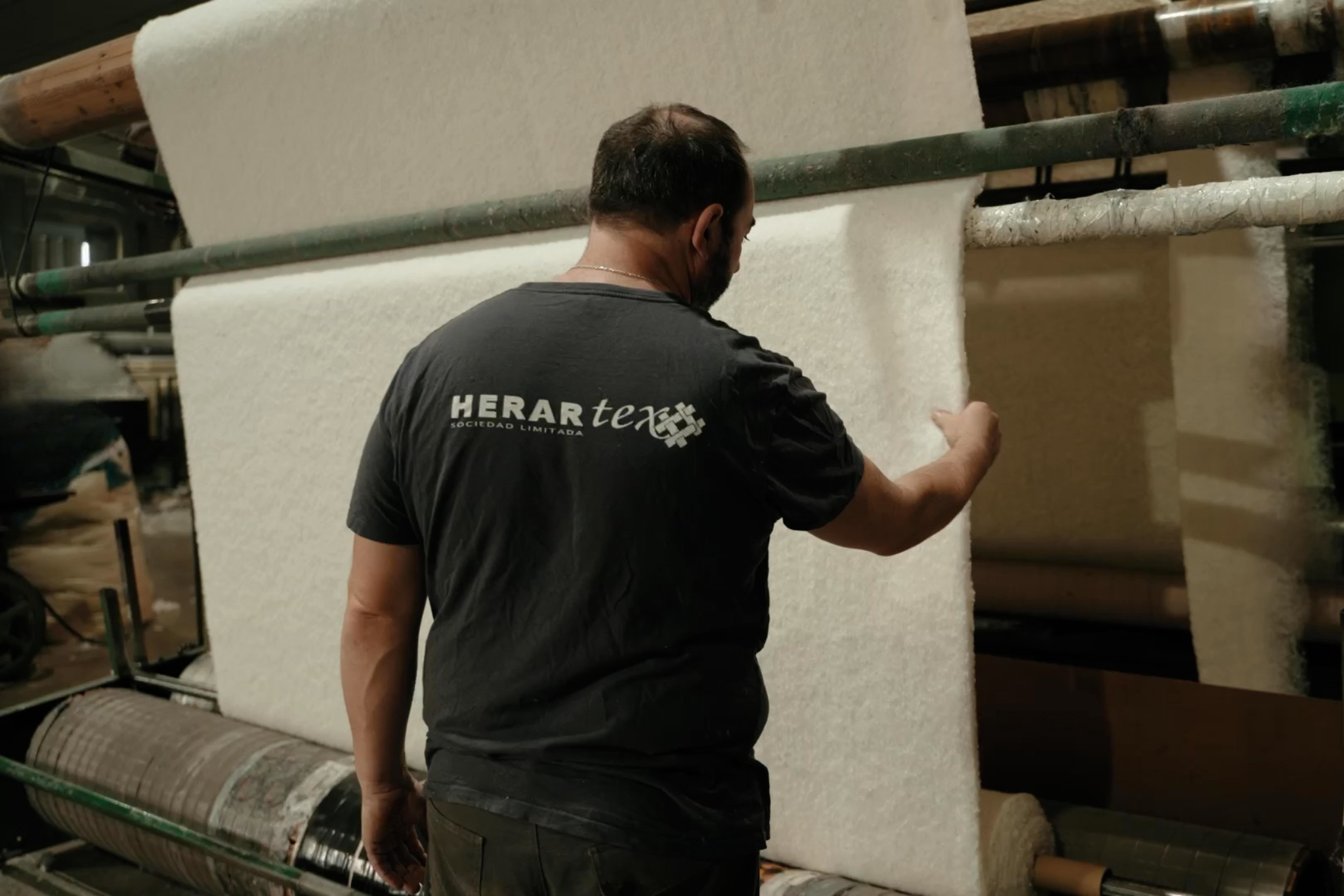
How to Find a Reliable European Fabric Supplier for Bulk Orders and Fast Production
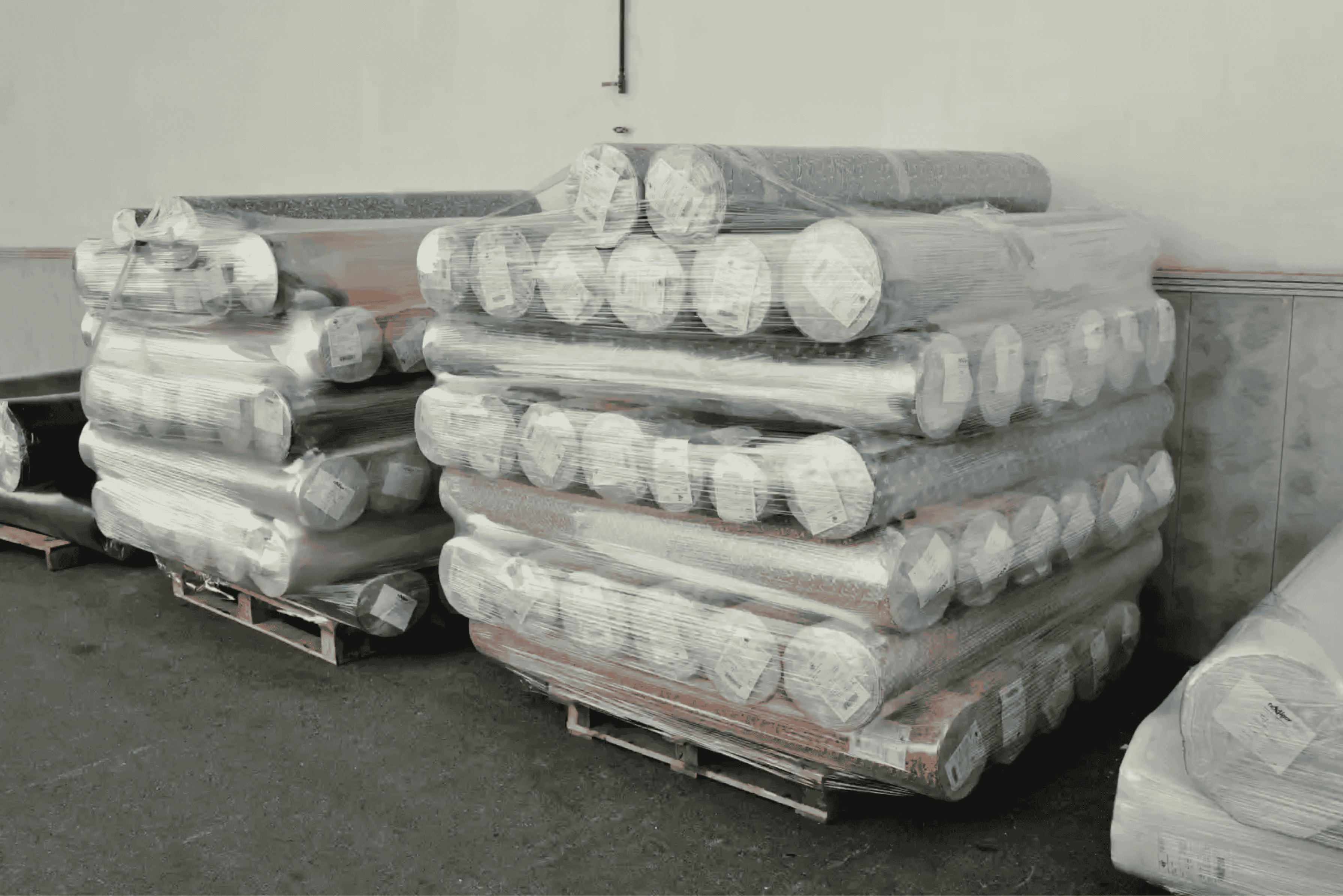
Finding a fabric supplier is easy.
Finding one that can deliver the right fabric, in the right quantities, with consistent quality and without slowing down your production is much harder.
This becomes especially important when you are sourcing woven fabrics in bulk for footwear, upholstery, furniture, automotive interiors, accessories, mattresses or other manufactured products.
Price matters, of course. But for a manufacturer, an unreliable fabric supply can cost far more than a higher price per metre.
So what should you actually look for when choosing a European fabric supplier?
Manufacturer, wholesaler or distributor?
The first question is worth asking before discussing prices:
Who actually manufactures the fabric?
A wholesaler or distributor can be a useful sourcing option, particularly when you need fabrics that are already in stock.
But if you need a specific construction, regular production quantities, custom development or a fabric that needs to be modified or laminated, working directly with a manufacturer can give you much more control.
A direct European fabric manufacturer may be able to support you with:
- Fabric development
- Custom colours and constructions
- Different weights and finishes
- Production quantities
- Sampling and technical adjustments
- Textile lamination and bonding
- Repeat production
- Quality consistency between batches
For manufacturers, this can make a significant difference.
The fabric is not the final product. It is one of the components that has to work inside your production process.
What makes a reliable bulk fabric supplier?
When buying woven fabrics in bulk, the sample is only the beginning.
A supplier may send you an excellent sample. The real question is whether they can reproduce that fabric consistently when you order hundreds or thousands of metres.
Before placing a production order, consider:
1. Consistency between batches
Colour, weight, width, construction, surface appearance and finishing should remain consistent enough for your production requirements.
This is particularly important when the same fabric will be reordered for different production runs.
2. Production capacity
Ask whether the supplier is equipped for the quantities you actually need.
There is a big difference between supplying sample quantities and supporting an industrial manufacturer with regular bulk orders.
3. Lead times
Fast turnaround is not simply about shipping quickly.
It starts with production planning.
A realistic supplier should be able to explain the process from:
sample → approval → production → quality control → dispatch → delivery
If you need short lead times, ask about this before placing the order.
4. Communication
This sounds obvious, but it matters.
When a fabric has a technical issue, a colour needs adjusting or a production date changes, you need to speak to someone who understands the material.
Direct communication with the manufacturer can make this much easier.
What types of woven fabrics can manufacturers source in Europe?
The right supplier depends heavily on the application.
A footwear manufacturer may need a completely different woven construction from an office furniture manufacturer.
Depending on the product, you may be looking for:
- Cotton fabrics
- Polyester fabrics
- Jacquard fabrics
- Pile fabrics
- Sherpa and shearling-effect fabrics
- Microfibre
- Velvet
- Felt and non-woven materials
- Upholstery fabrics
- Technical textiles
- Lining fabrics
- Winter fabrics
- Fabrics suitable for lamination
- Custom-developed woven fabrics
This is why searching simply for a “fabric wholesaler” can sometimes be too broad.
The better question is:
Can this supplier manufacture the type of fabric my product actually requires?
When should you work directly with a European fabric manufacturer?
Direct manufacturing becomes particularly valuable when the material is part of a larger product.
For example, a footwear manufacturer may require a fabric with a specific weight and backing.
An automotive or furniture manufacturer may need a textile laminated with foam.
An orthopaedic manufacturer may require a multilayer construction with an internal foam layer.
In these situations, the supplier needs to understand more than colour and composition.
They need to understand how the fabric will be used.
At Textigor, we combine textile manufacturing with finishing and bonding capabilities, allowing manufacturers to source not only fabrics but also finished textile constructions.
Is buying from Europe faster?
Not automatically.
A European supplier is only useful if its production and logistics match your requirements.
However, sourcing closer to your production site can offer practical advantages:
- Shorter transport distances
- Easier communication
- Faster sampling
- Easier technical discussions
- More accessible factory visits
- Simpler coordination during development
- Greater flexibility for repeat orders
For manufacturers operating in Europe, these factors can be particularly valuable when production schedules are tight.
What should you ask a fabric supplier before placing a bulk order?
Before committing to a supplier, ask a few straightforward questions:
Are you the manufacturer or a distributor?
Where is the fabric produced?
What is your typical production lead time?
Can you supply the quantities we need?
Can you reproduce the same quality for repeat orders?
Can you develop or modify a fabric?
Can you provide samples before production?
Can you laminate or bond the fabric if required?
What happens if our specifications change?
These questions can tell you much more about a supplier than a catalogue ever will.
Why European manufacturers are looking beyond price
For many purchasing teams, the lowest price per metre is still an important starting point.
But the real cost of a fabric includes much more.
If a fabric arrives late, varies between batches, does not behave correctly during cutting or assembly, or requires additional processing, the apparent saving can disappear very quickly.
This is why many manufacturers are looking for reliable European textile suppliers, not simply the cheapest fabric source.
The objective is not necessarily to buy the cheapest fabric.
It is to find a supplier that makes your own production easier.
A European textile manufacturer for industrial buyers
At Textigor, we manufacture and develop textile materials in Spain for manufacturers looking for reliable European supply.
Our experience covers fabrics for footwear, furniture, upholstery, automotive applications, technical products and other industrial uses. We also work with textile bonding and lamination, including foam laminated fabrics and other finished textile constructions.
If you are looking for a European fabric manufacturer or supplier for bulk woven fabrics, and reliability, production capacity, technical support and lead times matter to your business, we would be happy to discuss your requirements.
Tell us what you manufacture, what type of fabric you need and the quantities you are looking for.
We will start with the material — and work backwards from your production needs.